

• Skip to main content
  • Skip to primary sidebar
  • Skip to footer
  • HOME
  • News
  • Reviews
    • Cameras
    • Head-to-Head
    • Books
    • Monitors
    • Lenses
    • Smartphones
    • Software
    • Printers
    • Accessories
    • First Look
  • Contests
    • EISA Maestro
    • Picture of the Month
    • Smart Travel Contest
  • Tutorials
    • Ask Uncle Ronnie
    • Basics of photography
    • Camera Techniques
    • If I were You
    • Photoshop
    • Tips
  • PHOTOLOGUE
    • Kaleidoscope
    • Master Craftsmen
    • Showcase
    • Travel Photo-feature
  • Promotions
  • More
    • Buyer’s Guide
    • Subscription
    • Digital Subscription
    • Print Magazine
  • Advertise

Mobile Photography

June 18, 2019 by editor

Roll back to the year 2010. You are at a splendid location with natural and man-made beauty all around. You see a man taking pictures with… wait… a phone camera! You say to yourself “Am I seeing things? Is this guy nuts? How silly of him taking photos with a phone camera! Doesn’t he know that his images will be awful”?

If those were your thoughts, you could be forgiven; for those were the days when the image quality from phone cameras was, well, awful! Fast forward to 2018 / 2019. What a change! Sometimes, it’s difficult to believe that smartphones can now deliver exceptional image quality, as long as you don’t go overboard. By that I mean that you know your limits.
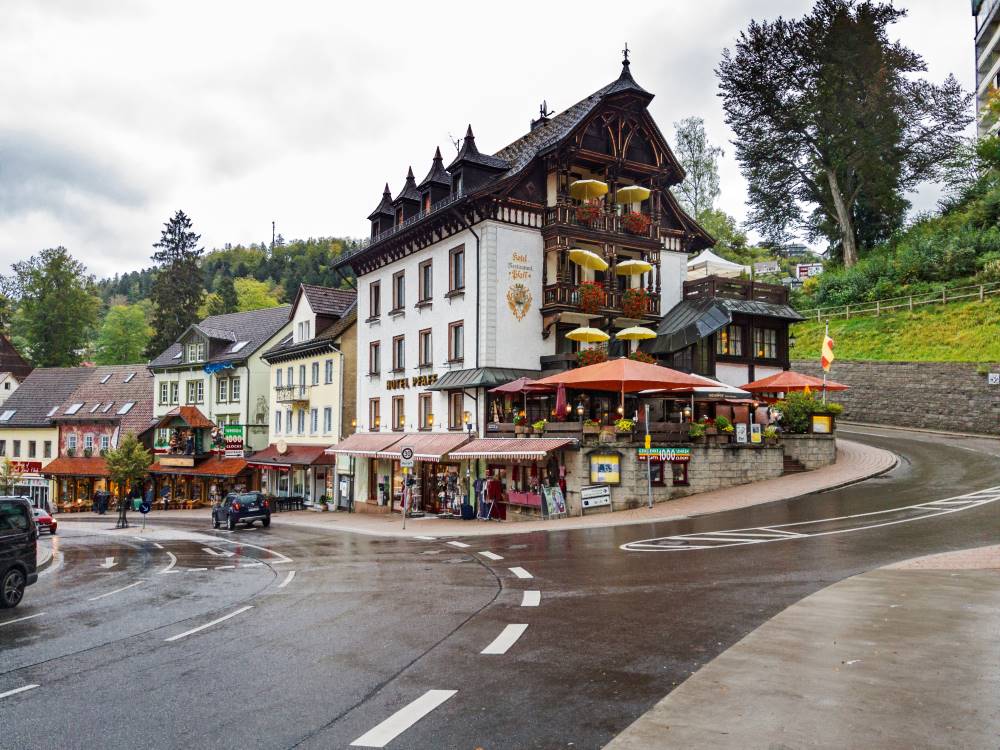
A hotel in Triberg, Germany

Let’s face it. You cannot compare the image quality from smartphones to D-SLRs and Mirrorless cameras, especially if the shots were taken in low light. If you were to photograph the same subject, under the same lighting and under identical conditions, the D-SLR / Mirrorless images would be definitely superior; but then you would be comparing images from a very small sensor (approximately 6 x 4 mm) to a very large sensor (36 x 24 mm or approximately 23 x 15 mm). That would be unfair. We also need to acknowledge that smartphones cannot replace D-SLRs / Mirrorless cameras when it comes to sports or wildlife photography. One limitation of smartphone cameras is the limited dynamic range. This means that under strong or medium strong light, highlights can blow out and shadows can go detail-less. Hence you would be better off shooting under soft/medium soft light.


Stream, Triberg, Germany
Schonbrunn Palace, Vienna

Read More…

Filed Under: Specials Tagged With: Smartphone Photography

Primary Sidebar

Search

LATEST ISSUE

THE EISA AWARDS 2026–2027

EISA MAESTRO 2026 THEME: Travelling

Smart Photography Awards 2026

EPSON EcoTank L8180

EISA AWARDS 2025-26 ‘In the Spotlight’

MAGZTER Subscription Offer

Tags

Apple award awards benq Camera Canon contest d-slr eisa epson Fujifilm full frame GoPro Huawei India Launch Leica lens lumix mirrorless camera monitor nikkor Nikkor lens Nikon oneplus oppo Panasonic Photography Photography Contest Photography Exhibition photography tips Photokina Photoshop Review samsung sigma Smartphone Smartphones smart photography Sony Tamron technology Travel travel photography vivo

Footer

Recent

  • Viltrox introduces pancake lens for Panasonic S 9
  • EISA Maestro 2026 – Public Choice Award
  • Nothing Introduces Phone (4b)
  • July 2026
  • Sony India Expands its Premium Alpha Line-up with the New Alpha 7R VI

Search

Tags

Apple award awards benq Camera Canon contest d-slr eisa epson Fujifilm full frame GoPro Huawei India Launch Leica lens lumix mirrorless camera monitor nikkor Nikkor lens Nikon oneplus oppo Panasonic Photography Photography Contest Photography Exhibition photography tips Photokina Photoshop Review samsung sigma Smartphone Smartphones smart photography Sony Tamron technology Travel travel photography vivo

Copyright © 2026 · Smart Photography Magazine ·